
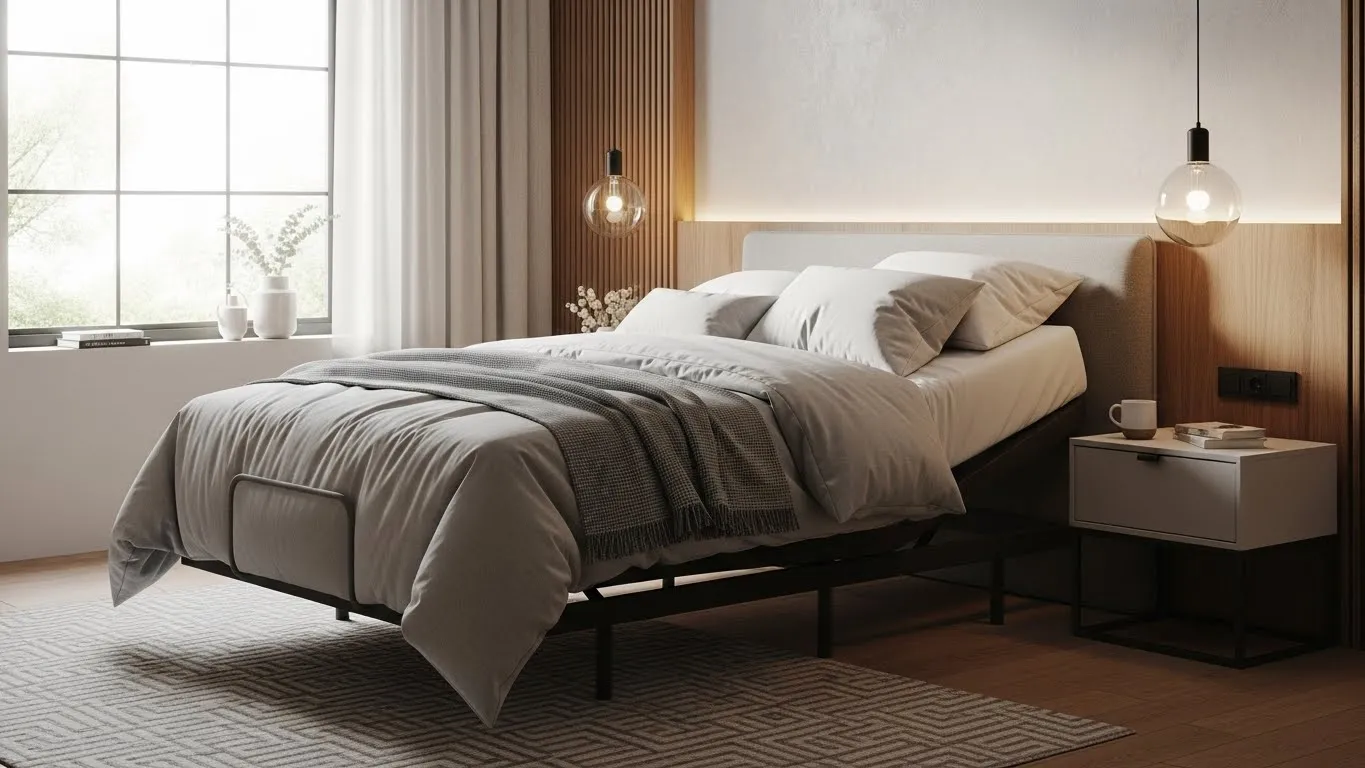
Most of us spend years sleeping on a flat bed because it’s the default. A mattress, a frame, maybe a box spring — that’s the setup we grew up with. Adjustable bases often get written off as extra, like something only people with sleep problems or high-tech bedrooms consider.
But if you’ve ever stacked pillows to sit up, bent your knees to relieve tension, or slid a cushion under your legs after a long day, you’ve already been trying to create what an adjustable base does automatically. Your body naturally looks for angles that reduce pressure and make it easier to unwind. A flat sleeping surface just doesn’t offer those options.
That’s why adjustable bases aren’t really about being “fancy” or “high-end.” They’re about finally giving your body positions it’s been quietly asking for. And with the New Year Sale coming up at Midwest Mattress Company, it’s a good time to understand what this upgrade actually gives you.
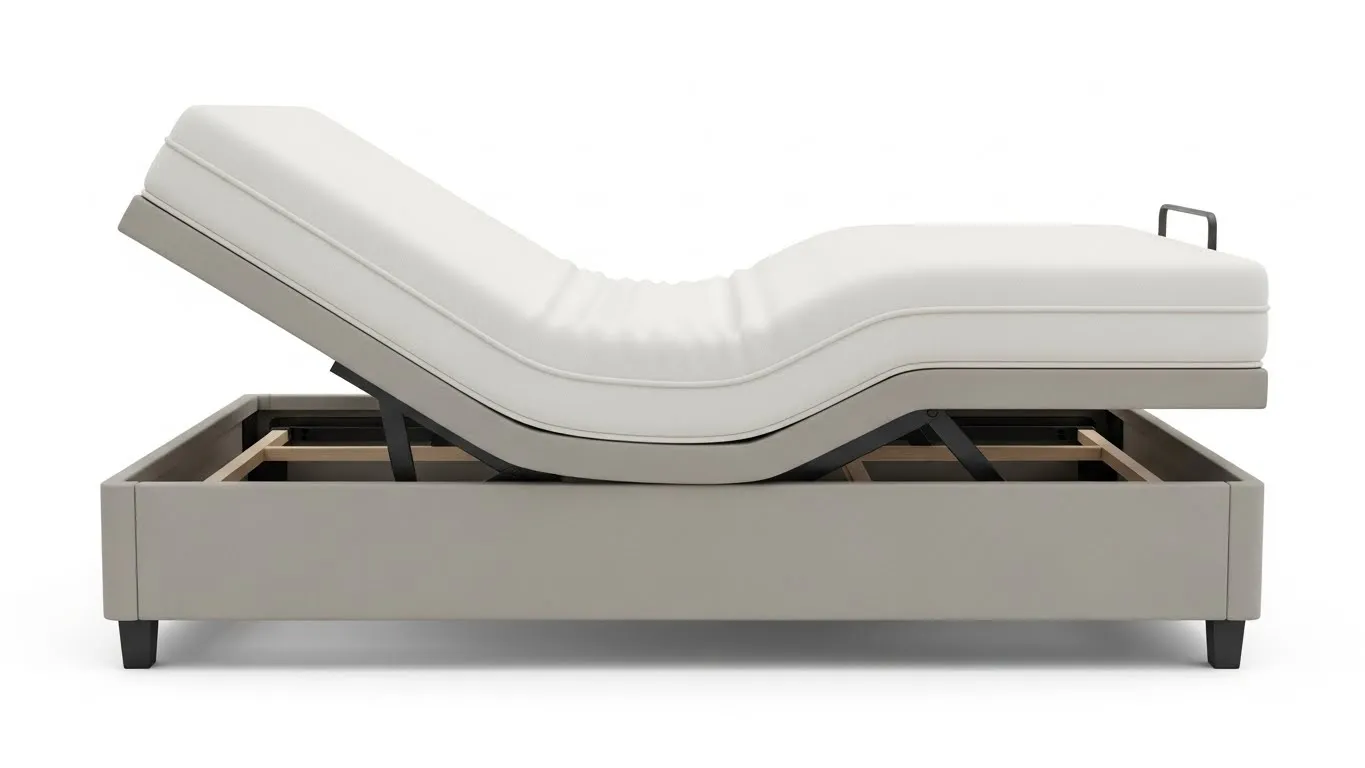
An adjustable base is the supportive frame underneath your mattress — but with the ability to move. With a simple button press, you can raise or lower the head or foot of your bed to find the angle that feels best for your body.
Instead of lying on one fixed, flat surface every night, you get flexibility. You can sit up to read without wrestling a mountain of pillows. You can elevate your legs to take pressure off your lower back. You can raise your head slightly to reduce snoring or make breathing easier. And unlike makeshift setups with cushions or wedges, an adjustable base holds those angles with real structure and consistency.
A typical adjustable base includes:
It’s simple, and it’s surprisingly intuitive once you start using it.
What surprises most people is how quickly the difference shows up in everyday use. Not in a dramatic way — just in small moments that feel noticeably easier.
The first time you raise the head of the bed, you feel supported instead of propped up. When you lift your legs after a long day, your lower back relaxes in a way pillows never quite achieve. When you sleep with a slight incline, your breathing can feel smoother and your body settles in with less effort.
These changes aren’t flashy or complicated. They’re subtle — but they add up. They’re the kind of improvements you don’t realize you’ve been missing until you feel them, and once you do, going back to a flat bed can be surprisingly hard.
There’s a misconception that adjustable bases are only worth it if you have snoring issues, reflux, or back pain. Yes, they help with those — but the bigger story is how they improve everyday comfort for almost anyone.
If you ever read or unwind in bed, you’ll feel the difference immediately. If you wake up with stiffness, an adjustable base can help you settle into a more natural position. If you’ve been trying to improve your sleep quality, elevating your head slightly can make falling asleep easier.
And if you share a bed, a split configuration can be the simplest way to finally avoid the “I’m comfortable / I’m not comfortable” tug-of-war.
This isn’t about luxury. It’s about choosing a setup that supports your body better than a rigid, one-position frame ever could.
Before comparing brands and features, it helps to think through a few honest questions:
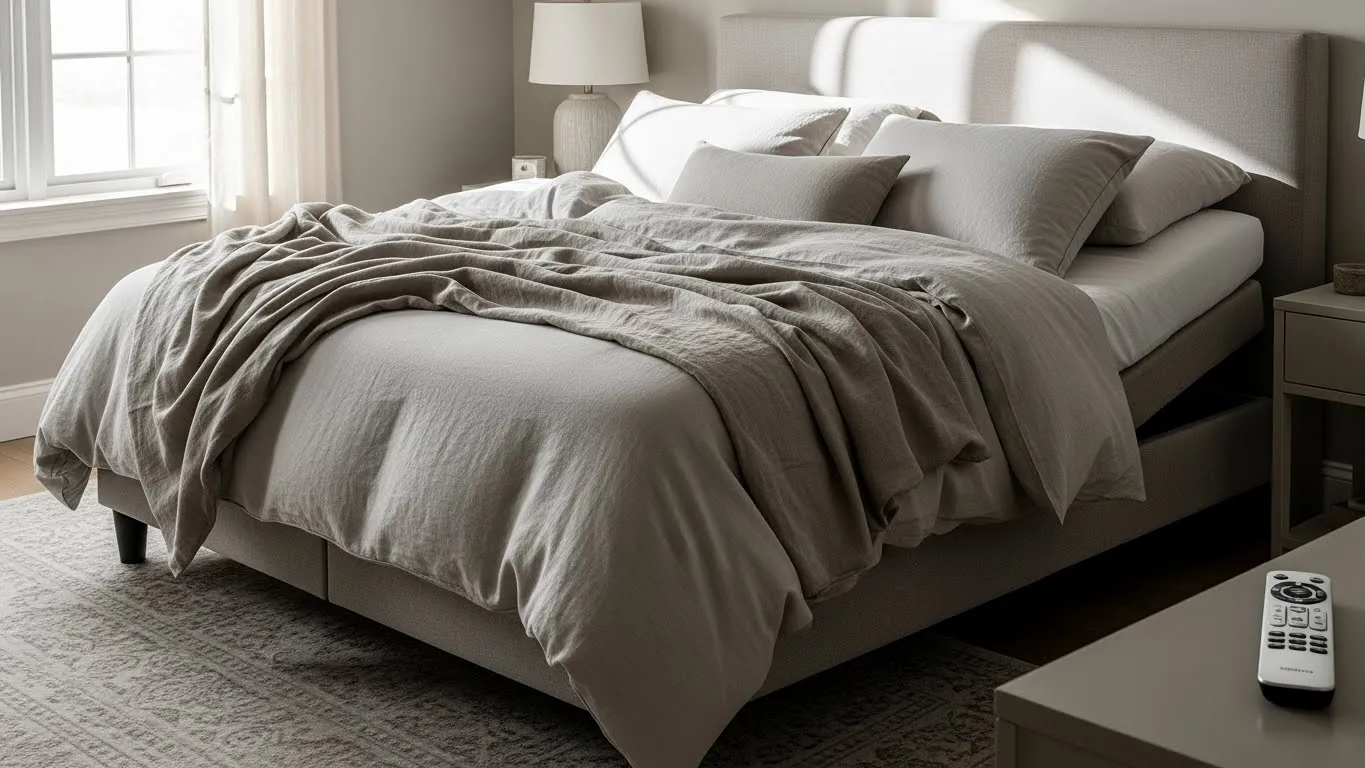
Your answers shape which adjustable bases will feel right for you — and which ones aren’t worth considering.
Here’s a breakdown of top adjustable bases available now — from straightforward to fancy — and what makes each stand out. I focus on models people often consider: BedTech (BT6500, BT3000, BT2000, BTX4), Tempur‑Pedic (especially the TEMPUR-Ergo base), and simpler foundation-style frames from brands like Aireloom or Prana (when they offer “foundation” or “slat” bases instead of adjustable).
| Model / Base Type | What it Does Best (and Why It’s a Good Fit) | Things to Check / Trade-offs |
|---|---|---|
| BedTech BT6500 | Head, foot, and lumbar adjustments; memory presets; massage settings; under-bed lighting; USB ports; quiet motor. Excellent for sleepers who want full adjustability — reading, watching TV, elevating legs, or easing back pressure. | More expensive than basic bases; heavier and harder to move. Mattress must flex well with motion. May be overkill if you mostly just sleep. |
| BedTech BT3000 / BT2000 / BTX4 (basic to mid-range models) | Offers essential head/foot adjustments. Lower cost entry into adjustable base lifestyle. Good for sleepers who want better comfort than a flat base without spending too much. | Fewer extra features (e.g. fewer presets, no massage or lumbar support). Less flexible range of movement. Still heavier than a standard foundation. |
| TEMPUR-Ergo Base | Premium adjustable base with smooth ergonomic adjustments; “zero-gravity” and anti-snore positions; strong reputation for durability and compatibility with memory-foam and Tempur mattresses. Great for couples, people with reflux, breathing issues, or serious back support needs. | More expensive. Best paired with a mattress designed for adjustable bases. May be more feature-rich than some need. |
| Traditional Foundations / Slat Bases (Aireloom Night Stars Foundation, Prana Euro Slat, etc.) | Simple, sturdy, stable support — good if you prefer a classic flat bed surface or use a firm mattress. Lower cost. Less likely to have mechanical issues. | No adjustable comfort: head/foot elevation impossible. Less helpful for reading in bed, reflux, circulation, or varied sleep needs. Fewer comfort and ergonomic benefits. |
If you often use your bed for more than sleep — late-night reading, watching shows, or relaxing — adjustable bases shine. BT6500 or TEMPUR-Ergo give you a stable recline without pillows sliding around. They make those nights far more comfortable than stacking cushions ever will.
If waking up with a sore lower back is common, lifting your head or feet even a little can ease pressure. For poor circulation or leg swelling, raising the legs helps. If snoring or reflux is a problem, an incline helps with breathing and sleep quality. A fully adjustable base with lumbar support or zero-gravity presets (like BT6500 or TEMPUR-Ergo) offers clear benefits.
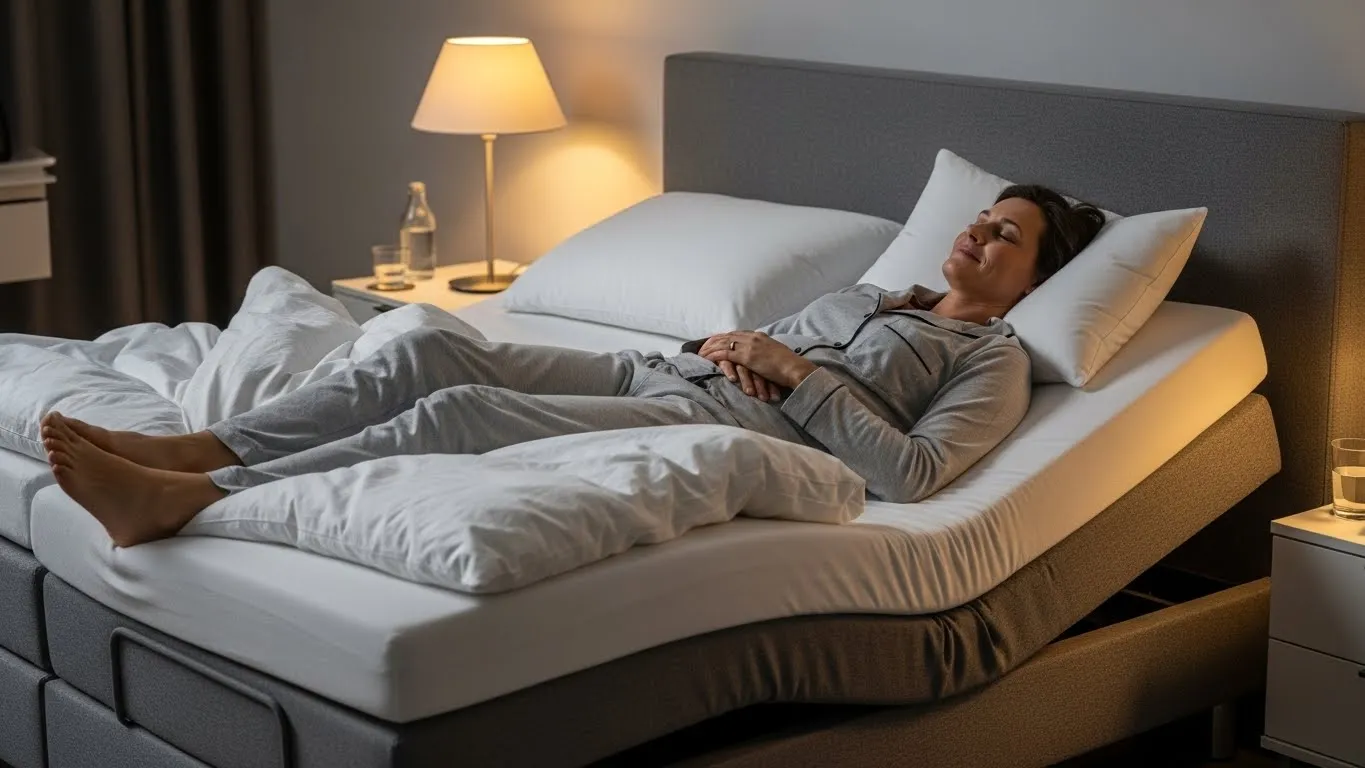
A split base (available on many adjustable models) lets each person control their side independently. That means one partner can sit up and read while the other stays flat to sleep — no pillow fights needed.
If you mostly lie flat, value a firm consistent sleeping surface, or use a mattress that doesn’t flex well, a traditional foundation or slatted base might be best. It’s less expensive and less complicated, and it avoids mechanical parts.
Mid-range adjustable bases (like BedTech’s less expensive models) strike a balance: you get adjustable comfort for under or around the price of a premium foundation. It’s a good middle ground if you want flexibility but don’t need massage motors or fancy presets.
Adjustable bases tend to cost more up front than a basic foundation — that’s normal. But consider what you’re getting: a system that supports sleeping, lounging, reading, recovery, and overall comfort for years.
High-end options like BT6500 or TEMPUR-Ergo come with extras: programmable positions, under-bed lighting, USB power ports, smooth motors, and split configurations. For many people, those extras don’t feel like “luxury.” They feel like quality-of-life upgrades.
Mid-range bases or simple adjustable frames offer the core benefit — head and foot movement — without the extras. That’s a smart value if what you care about most is basic adjustability and better sleep posture without the bells and whistles.
And if you really don’t need movement, a good foundation remains the lowest-maintenance, most budget-friendly option.
Because of how often you use your bed, the “per night” value of an adjustable base is often small — especially if it improves comfort or eases minor pain. That makes the higher price easier to justify.
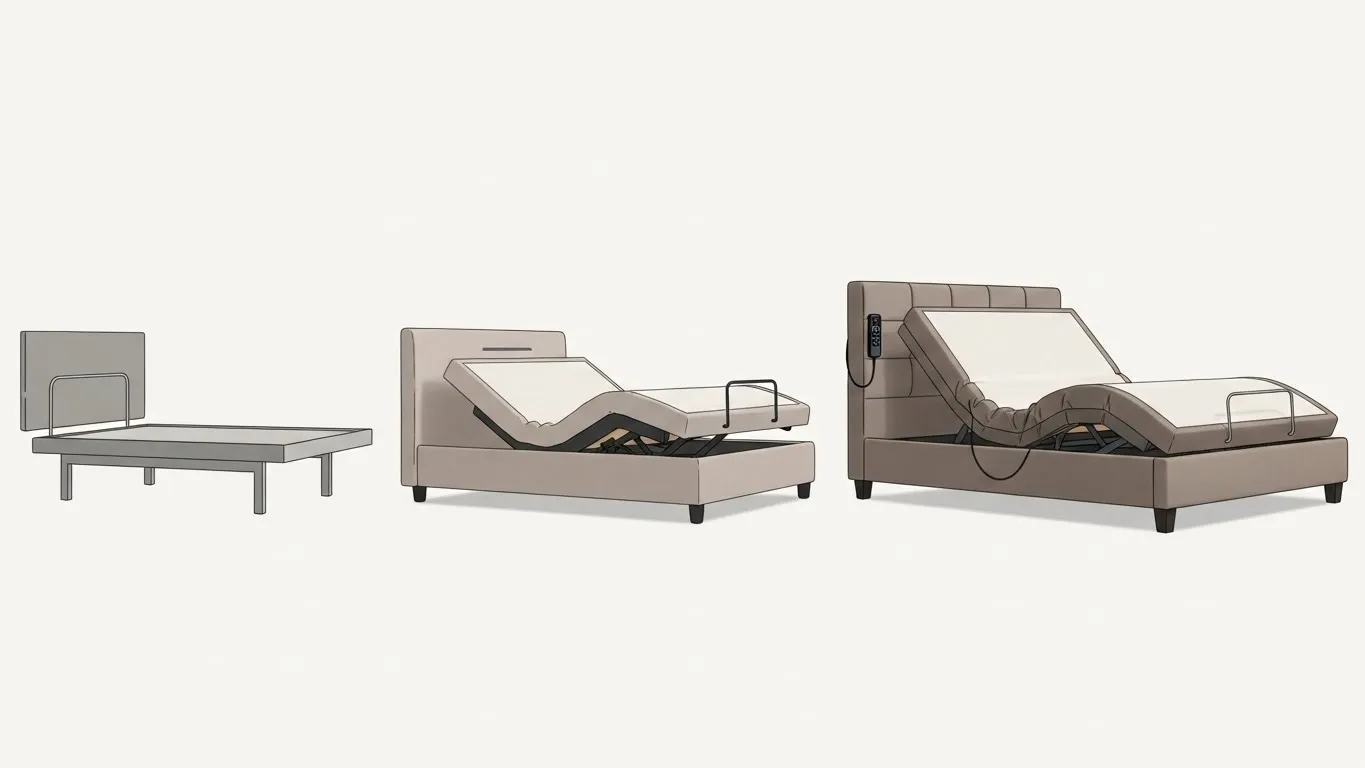
By this point, you understand what an adjustable base does, how it feels in everyday use, and how the major models compare. Now it’s time to bring all that information together into a simple, practical decision. This last part is designed to help you pick the base that fits your habits, your sleep style, and the level of comfort you want — without overthinking it.
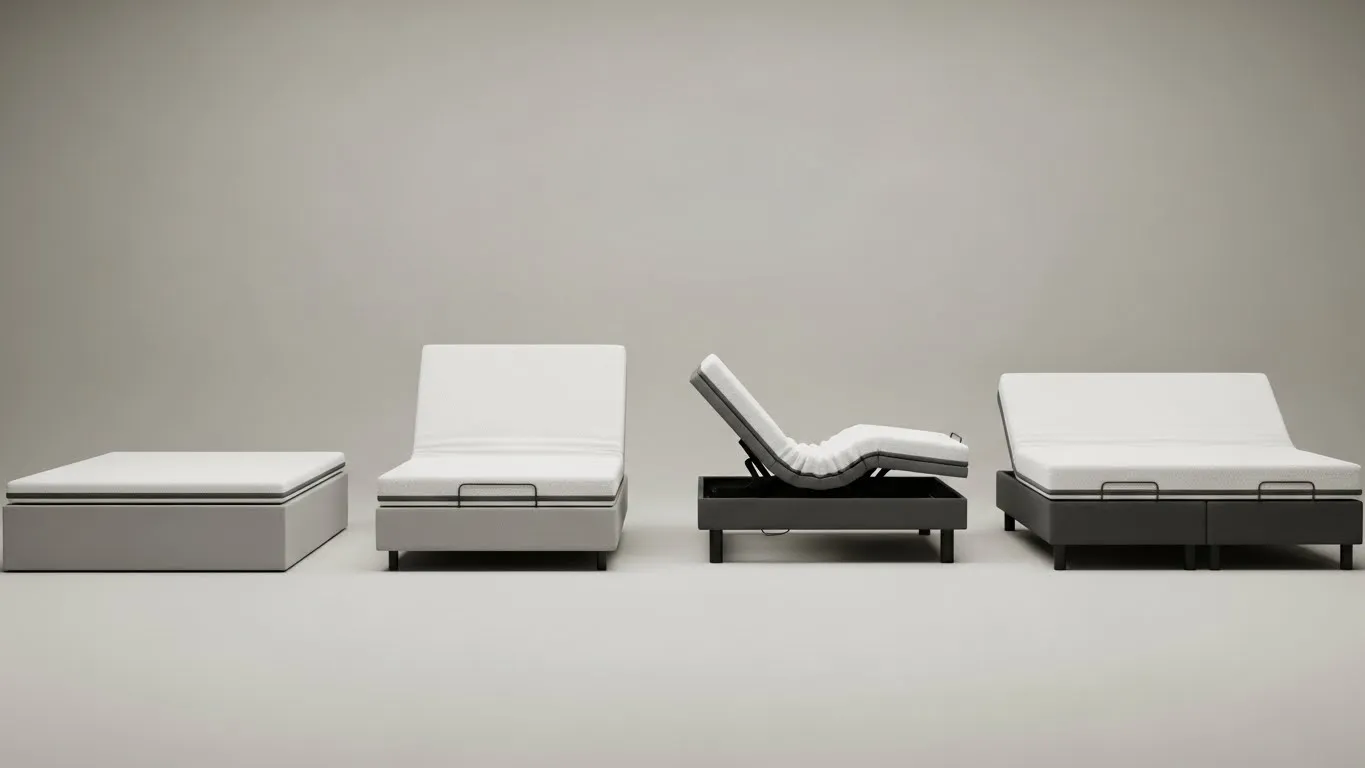
Adjustable bases aren’t about bells and whistles. They’re about comfort that actually matches the way real people sleep and unwind.
A few big ideas rise to the top:
When you focus on how you use your bed, the right choice becomes much clearer.
Below is a simple way to match yourself to the right base. No hype, just honest guidance.
Reading, scrolling, watching something — if you use your bed to unwind, you’ll appreciate the ability to sit up comfortably without a pile of pillows.
Great fits:
These give you angles you can stay in for a long time without neck strain or slouching.
Lower back tightness, sore hips, or general stiffness are often made worse by flat sleeping positions. Lifting your legs even slightly can ease that pressure.
Great fits:
These offer more control over how your spine and legs are supported.
A slight incline helps many people breathe easier or reduce reflux at night.
Great fits:
You don’t need advanced features — just steady, comfortable lift.
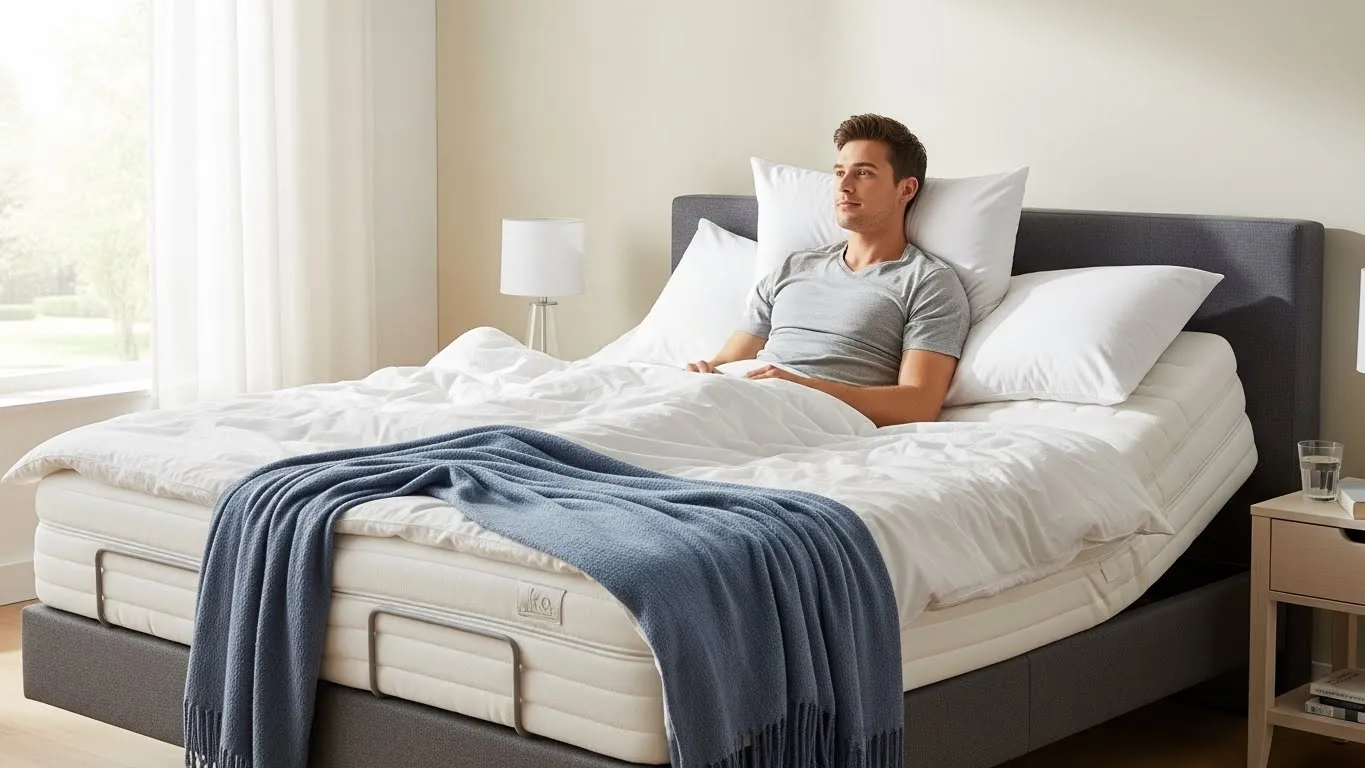
One person wants to sit up and read. The other wants to lie flat. Adjustable bases solve this in the easiest way possible.
Great fits:
A split base is one of the few sleep solutions where everyone genuinely wins.
Not everyone wants angles or adjustability. Some prefer a classic, supportive surface with no moving parts at all.
Great fits:
These give you stability and strength without any technology attached.
You want an upgrade, but you don’t need massage motors or lighting under the bed.
Great fits:
Both deliver the core benefits — head and foot movement — at an approachable price.
The price differences between bases can look big, but they usually reflect three things:
Here’s a simple breakdown:
| Base Category | Expected Price | Ideal For |
|---|---|---|
| Foundations / Slat Bases | Lowest | People who want traditional support and no movement |
| Basic Adjustable Bases | Mid-range | People who want head + foot lift at a reasonable cost |
| Premium Adjustable Bases | Higher | People who value high comfort, smooth motion, and built-in presets |
Because you use your bed every night, the “per-night cost” of an adjustable base is often surprisingly small — especially if it helps you sleep better or wake up with fewer aches. And with the New Year Sale coming up, it’s worth checking which models may be discounted.
Run through these quick questions and you’ll know exactly what to look for:

If the base you’re considering lines up well with these answers, you’re in good shape.
Here’s the best way to approach your purchase:
Choosing an adjustable base isn’t about buying the most features or the biggest model. It’s about picking the setup that supports the way you rest, relax, and recharge.
Whether you want a simple incline for better breathing, a full range of motion for comfort, or a classic foundation with no movement at all, finding the right base can make every night feel easier — and every morning feel better.