


As we welcome the new year, many of us are looking to refresh our living spaces, and one of the simplest yet most impactful changes is upgrading our bed sheets. The right bed sheets can significantly enhance your sleep quality, comfort, and overall bedroom aesthetic. This comprehensive guide will help you navigate the world of bed sheets, focusing on the best materials, thread counts, and care practices to ensure you make an informed purchase. Whether you’re seeking breathable bedding for hot nights or eco-friendly sheets that align with your values, this article will cover everything you need to know. We will explore the best materials for bed sheets in 2026, how thread count affects quality, and the latest trends in luxury and sustainable bedding.
Choosing the right material for your bed sheets is crucial for comfort and durability. In 2026, several materials stand out for their unique properties and benefits.
| Material | Comfort Level | Durability | Maintenance |
|---|---|---|---|
| Cotton | High | Medium to High | Easy |
| Linen | Medium | Very High | Moderate |
| Bamboo | High | Medium | Easy |
| Silk | Very High | Low to Medium | High |
This table highlights the comfort, durability, and maintenance levels of popular bed sheet materials. Cotton remains a favorite due to its softness and breathability, though its durability can vary depending on the type of cotton and weave. Linen is celebrated for its durability and natural texture. Bamboo sheets are gaining popularity for their eco-friendliness and moisture-wicking properties, making them ideal for hot sleepers. Silk, while luxurious, requires more care and is relatively delicate, but offers unparalleled softness.
When comparing these materials, cotton sheets are often preferred for their softness and breathability, making them suitable for year-round use. Linen, on the other hand, is known for its exceptional durability and ability to keep you cool in summer and warm in winter. Bamboo sheets are soft and hypoallergenic, making them a great choice for sensitive skin, while silk sheets provide a luxurious feel but require careful maintenance to preserve their delicate quality.
The rise of organic and sustainable fabrics reflects a growing consumer awareness of environmental issues. Organic cotton, for instance, is grown without harmful pesticides, making it a healthier choice for both the environment and the consumer. Additionally, sustainable fabrics like bamboo are derived from renewable resources, appealing to eco-conscious shoppers. As more people prioritize sustainability in their purchasing decisions, the demand for these materials continues to rise.
The growing preference for organic options is rooted in their environmental benefits and the specific cultivation practices that define them.
Organic Cotton: Sustainable Farming for Eco-Friendly Bedding Cotton cultivated without using genetically modified (GMO) seeds, harmful pesticides, synthetic fertilisers, and chemicals is termed as “organic cotton.” Organic cotton farming maintains healthy working environment for farmers, clean freshwater sources near farms and reduces soil erosion and other negative impacts on the ecosystem. Organic cotton: fibre to fashion, VK Dhange, 2022
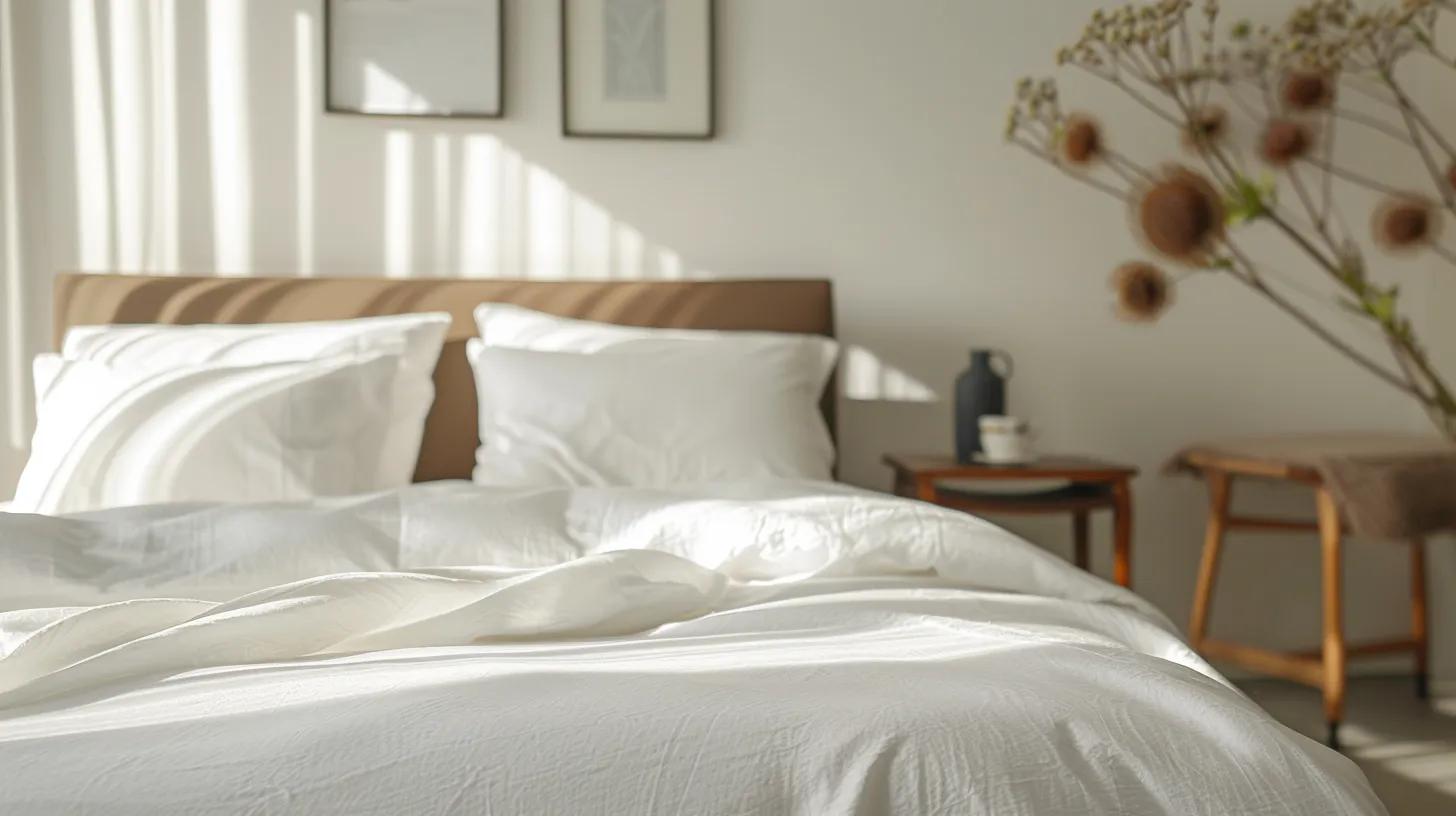
Thread count is a key factor in determining the quality of bed sheets. It refers to the number of threads woven into one square inch of fabric. Generally, a higher thread count indicates a denser, softer fabric, but this is not the only factor to consider.
For optimal comfort, a thread count between 200 and 400 is often recommended for cotton sheets. Sheets within this range tend to be soft and breathable, striking a balance between comfort and durability. However, it’s essential to note that thread count alone does not guarantee quality; the type of material, fiber length, and weave also play significant roles.
Further emphasizing the importance of thread count in cotton sheets, research highlights how this metric contributes to both comfort and longevity.
Cotton Bed Sheets: Thread Count, Comfort, and Durability Cotton is the most used and favoured fibre for bed sheets. There are many different types of cottonfibresused for bed sheets along with many blends. To determine the quality of a cotton sheet, most manufactures give a thread count. The thread count can range anywhere from 200 to 1200 with the majority accepting between 200 and 800 is enough for a good quality bed sheets. A higher thread count means a sheet retains its properties for longer and won’t need replacing. Comparison of High Thread Count Cotton Fabrics for Comfort and Mechanical Properties, 2020
The weave type can significantly affect the feel of the sheets. Percale weave, known for its crisp and cool texture, is ideal for those who prefer a lightweight feel. In contrast, sateen weave offers a silky, smooth finish that feels luxurious against the skin. Understanding these differences can help you choose sheets that align with your personal comfort preferences.
Selecting the right bed sheets can enhance your sleep experience based on your specific needs. Different materials and features cater to various preferences, ensuring everyone can find their perfect match.
For hot sleepers, look for sheets made from breathable materials like cotton or bamboo. These fabrics wick moisture away from the body, helping to regulate temperature throughout the night. Additionally, consider sheets with a lower thread count, as they tend to be more breathable.
Allergy sufferers and those with sensitive skin should opt for hypoallergenic materials such as organic cotton or bamboo. These fabrics are less likely to irritate the skin and are often treated to resist dust mites and other allergens. Regular washing and proper care can further enhance their benefits.
Proper care is essential to maintain the quality and longevity of your bed sheets. Following the right washing and drying practices can help preserve their softness and color.
For cotton sheets, wash in cold or warm water with a gentle detergent to prevent fading and shrinkage. Linen sheets can be washed similarly but are best air-dried or tumble dried on low to maintain their texture. Bamboo sheets are best washed in cold water and tumble-dried on low heat to avoid damage. Silk sheets require gentle washing, preferably hand washing or using delicate cycle with mild detergent, and should be air-dried away from direct sunlight. Always check the care label for specific instructions.
To keep your sheets soft and vibrant, avoid using bleach and opt for mild detergents. Washing sheets every one to two weeks can help prevent the buildup of allergens and maintain their freshness. Storing sheets in a cool, dry place also helps preserve their quality over time.
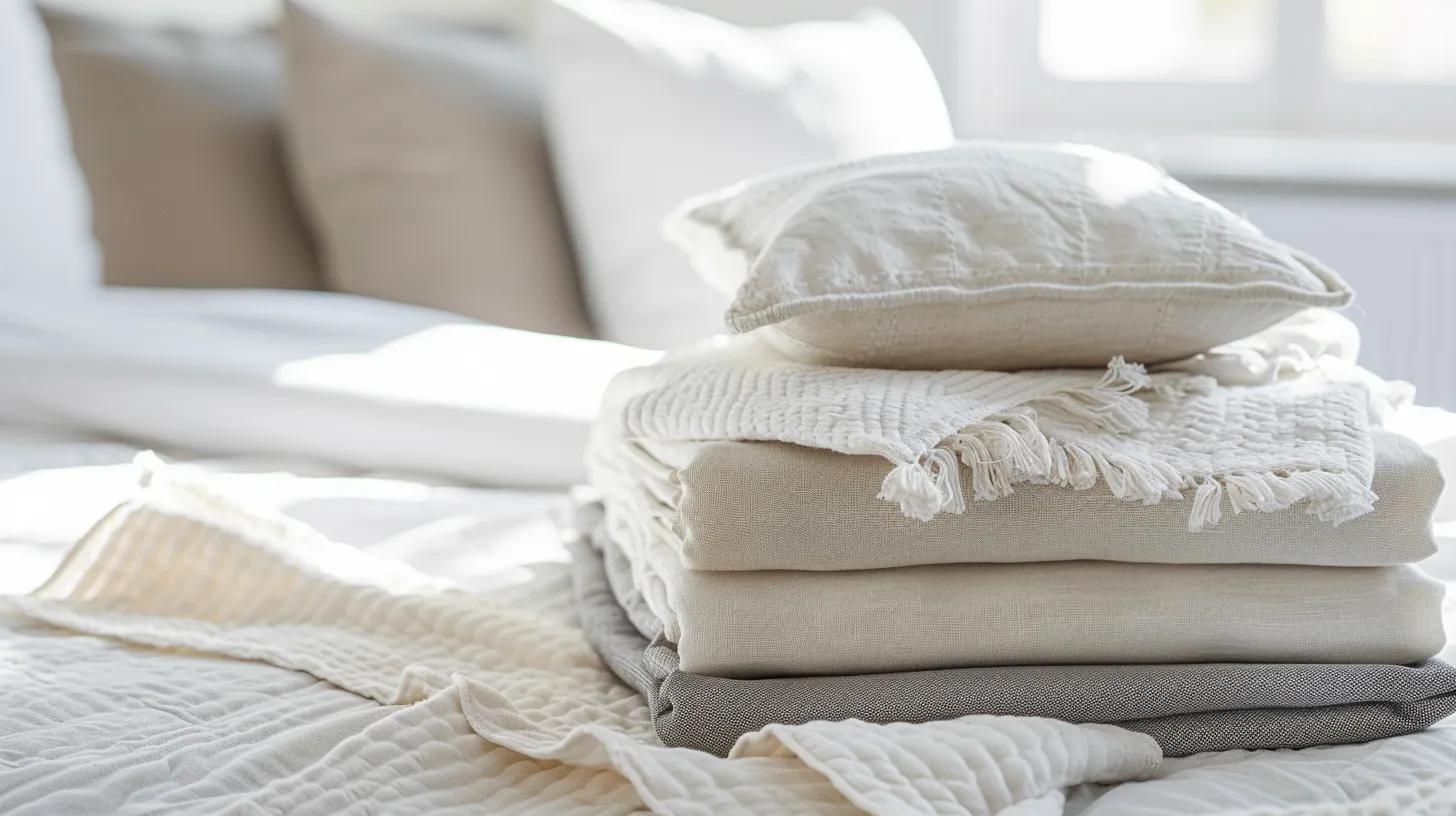
As consumer preferences evolve, so do the trends in bedding. Luxury and eco-friendly options are becoming increasingly popular, reflecting a desire for both comfort and sustainability.
Bamboo and organic cotton sheets are leading the charge in the bedding market, offering consumers sustainable choices without compromising on quality. These materials are not only environmentally friendly but also provide exceptional comfort, making them a top choice for many shoppers.
Innovations in bedding technology are also on the rise, with new cooling fabrics and sustainable production methods gaining traction. Brands are exploring ways to enhance breathability and moisture-wicking properties, ensuring that consumers can enjoy a comfortable night’s sleep while being mindful of their environmental impact.
Upgrading your bed sheets can significantly enhance your sleep quality and overall comfort, making it a worthwhile investment for your well-being. By understanding the benefits of various materials, thread counts, and care practices, you can make an informed choice that aligns with your personal preferences and values. Explore our curated selection of high-quality cotton, bamboo, and organic sheets to find the perfect fit for your needs. Start your journey to better sleep today and transform your bedroom into a sanctuary of comfort.