
Hot Sleeper? Here’s How to Stay Cool All Night Long

Feeling overheated at night disrupts sleep quality and leaves you exhausted the next day. Midwest Mattress Company’s honest, no-haggle approach and Certified Sleep Experts guide you to solutions tailored for hot sleepers, combining cooling technologies with value and local service. In this guide, you will discover why you sleep hot, explore top cooling mattress types, understand key cooling technologies, learn about bedding and accessories that enhance airflow, optimize your bedroom environment, and see why Midwest Mattress Company is your trusted partner for cooler nights.

Why Do You Sleep Hot? Understanding Night Sweats and Body Temperature Regulation

Night sweats occur when body temperature regulation shifts during sleep, forcing the body to release excess heat through perspiration and interrupting restorative rest. Your core temperature naturally drops to initiate deep sleep, but factors like bedding materials, hormonal fluctuations, medications, and ambient heat can override this process and trigger overheating.

What Causes Hot Sleeping and Night Sweats?

Common causes of excessive nighttime heat include:
  • Thick or synthetic bedding that traps warmth
  • Memory foam mattresses with low airflow
  • Hormonal changes (menopause, thyroid imbalances)
  • Certain medications (antidepressants, steroids)
  • High room temperature or poor ventilation
These factors elevate skin temperature and provoke sweating, leading to restless sleep. Understanding these triggers will guide you toward solutions in mattress choice and bedroom setup.

How Does Body Temperature Affect Sleep Quality?

Body temperature directly influences sleep architecture:
  1. Temperature Drop – A decrease of 1–2 °F initiates REM and deep-sleep cycles.
  2. Disruption – Elevated temperatures fragment sleep stages and reduce slow-wave sleep.
  3. Daytime Impact – Poor sleep quality impairs mood, cognitive function, and immune response.
Optimizing temperature regulation supports uninterrupted deep sleep and daily performance.

The Interrelationship between Sleep Regulation and Thermoregulation

Research highlights the tight coupling between the body’s circadian rhythm and thermoregulation, where a natural decline in core body temperature initiates sleep. Increased heat loss from the skin, particularly in the extremities, is associated with an easier onset of sleep and improved sleep quality. Maintaining an optimal thermal environment is crucial for supporting these natural physiological processes and achieving restorative sleep.
This academic research provides the scientific foundation for understanding how the body’s temperature regulation directly influences the ability to fall asleep and the overall quality of sleep, reinforcing the article’s core message.

Can Mattress and Bedding Choices Impact Night Sweats?

Yes, selecting breathable mattress cores, gel-infused foams, natural fibers, and moisture-wicking covers enhances heat dissipation and moisture evaporation. Cooling mattress layers work in tandem with lightweight sheets and airflow-promoting pillows to maintain skin temperature in the ideal 60–67 °F (16–19 °C) range, reducing night sweats and improving overall sleep quality.

What Are the Best Cooling Mattresses for Hot Sleepers? Reviews and Buying Guide

Choosing the right cooling mattress involves understanding design features that improve breathability and heat transfer. Hybrid coil systems, gel-infused memory foams, natural latex, and open-cell structures each play a unique role in moderating mattress surface temperature.

Which Mattress Types Are Best for Hot Sleepers?

Below is a comparison of primary mattress categories and their cooling advantages:
 
Mattress Type
Key Feature
Cooling Benefit
Hybrid
Individually wrapped coils
Promotes continuous airflow throughout core
Gel Memory Foam
Gel bead infusion
Absorbs and disperses body heat
Natural Latex
Open-cell rubber structure
Encourages air movement and quick recovery
Innerspring
Steel coil support
Maximizes ventilation and heat escape
Each mattress type balances support and temperature control differently, guiding hot sleepers toward the ideal feel and heat management.

How Do Gel Memory Foam Mattresses Keep You Cool?

Gel-infused memory foam integrates microscopic gel beads that absorb excess warmth at contact points and release it later, maintaining a stable sleep surface. This phase-neutral mechanism enhances comfort for hot sleepers while preserving foam’s pressure-relieving properties.

What Are the Benefits of Breathable Mattress Materials?

Breathable materials such as open-cell foam and natural latex structure improve internal airflow and minimize trapped heat. Their interconnected cell networks facilitate continuous heat transfer, reducing surface temperature and preventing moisture buildup during the night.

How Do Hybrid Mattresses Promote Airflow and Cooling?

Hybrid mattresses combine spring coils with foam layers. The coil core functions as a heat chimney, drawing residual warmth away from the body and allowing fresh air to circulate. When paired with gel-infused or open-cell foams, hybrids offer both contouring comfort and enhanced breathability.

What Cooling Mattress Models Does Midwest Mattress Company Recommend?

Midwest Mattress Company’s Certified Sleep Experts recommend:
  • Tempur-Pedic Pro Adapt Breeze: Adaptive foam and hybrid support with cooling technology for balanced comfort, pressure relief, and a refreshing night’s sleep.
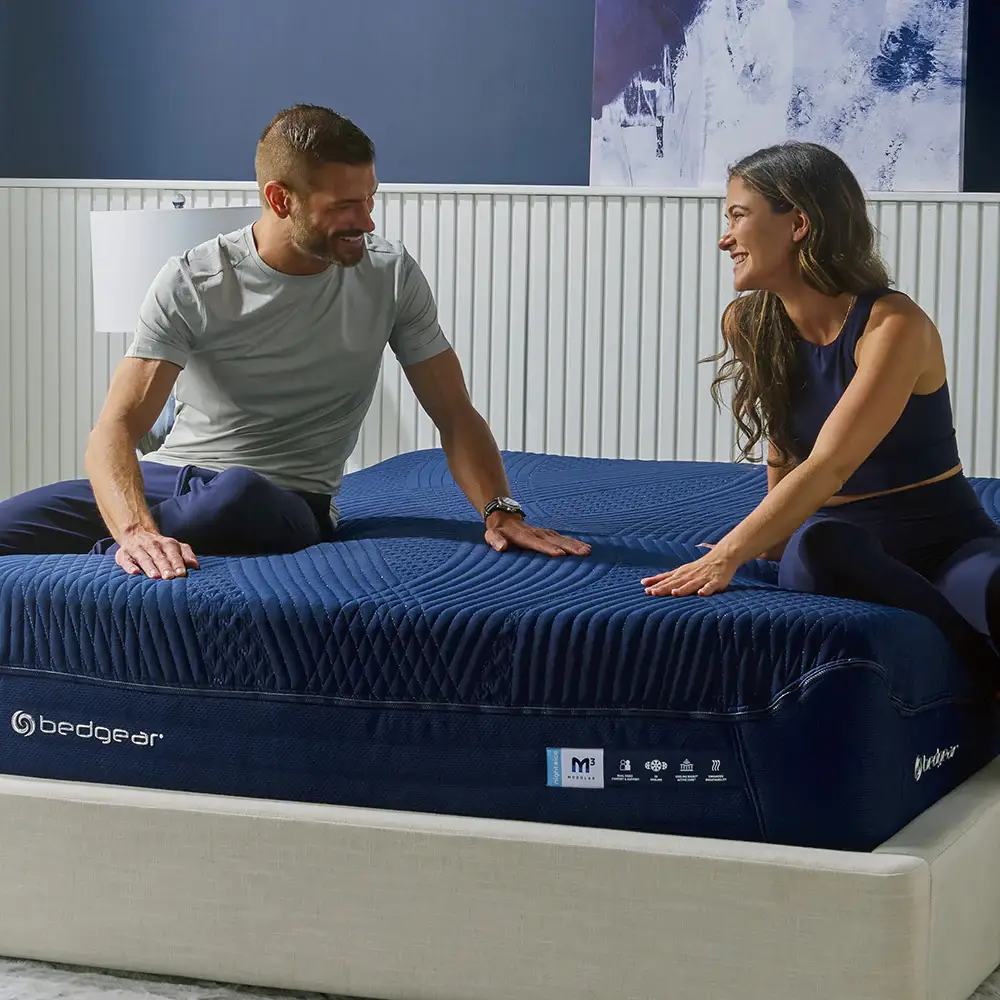
  • BedGear M3 Night Ice: Hybrid mattress featuring interchangeable coil units, 3X cooling technology, and breathable airflow for personalized support and a cooler night’s sleep.
  • Posh & Lavish Restore: Provides balanced comfort, reliable support, and breathable cooling for a restful and restorative night’s sleep.
These models combine proven cooling technologies with competitive pricing and an industry-leading satisfaction guarantee.

How Does Cooling Mattress Technology Work? Key Features Explained

Understanding how cooling technologies operate empowers you to choose the right mattress based on your body heat patterns and sleep preferences.

What Is Gel-Infused Memory Foam and How Does It Dissipate Heat?

Gel-infused memory foam embeds gel microcapsules within the foam matrix to absorb thermally generated energy, then redistribute it across the mattress surface. This endothermic action temporarily lowers contact-area temperature and prevents the foam from retaining excessive warmth.

Advancements in Cooling Mattress Technologies for Thermal Comfort

Modern mattress cooling technologies, such as gel-infused memory foam and phase-change materials (PCMs), are designed to enhance thermal comfort during sleep. Gel particles embedded in foam absorb and dissipate excess body heat, while PCMs utilize a phase transition (solid to liquid) to absorb latent heat, creating a self-regulating thermal buffer that helps maintain a stable sleep surface temperature.
This citation validates the mechanisms by which advanced mattress materials and technologies contribute to a cooler sleep environment, directly supporting the article’s discussion of cooling mattress types and features.

How Do Phase-Change Materials (PCM) Regulate Temperature?

Phase-change materials incorporate substances that change state (solid to liquid) at skin contact temperatures. This transformation absorbs latent heat during melting and releases it upon solidification, creating a self-regulating thermal buffer throughout the night.

What Role Does Open-Cell Foam Design Play in Mattress Breathability?

Open-cell foams feature air channels within the foam structure, promoting convective air movement. This porosity accelerates heat evacuation and maintains a cooler sleep surface compared to closed-cell counterparts.

Why Are Breathable Covers Like Tencel and Bamboo Important?

Natural fiber covers crafted from Tencel or bamboo viscose provide moisture-wicking and silk-smooth surfaces that deter sweat accumulation. Their hygroscopic properties draw moisture away from skin, drying rapidly and preventing heat trapping at the cover level.

What Cooling Bedding and Accessories Help Hot Sleepers Stay Comfortable?

Effective cooling extends beyond the mattress core into your bedding ensemble, creating a comprehensive heat-management system.

How Do Cooling Mattress Toppers Enhance Temperature Regulation?

A cooling topper adds a dedicated heat-dissipating layer above your mattress. Materials range from gel-infused memory foam to copper-infused latex, each designed to absorb excess heat before it penetrates lower layers. Toppers can also rejuvenate existing mattresses without full replacement.

Which Sheets Are Best for Hot Sleepers?

Selecting the right sheets optimizes surface cooling:
Sheet Material
Fabric Property
Cooling Performance
Cotton Percale
Tight, breathable weave
Feels crisp and remains cool
Bamboo Viscose
Moisture-wicking
Draws sweat away and dries quickly
Tencel Lyocell
Eco-friendly cooling
Thermoregulating and soft
Linen
Natural fibers
High airflow and quick moisture evaporation
Lightweight, breathable sheets create an immediate cool-to-touch sleep surface, complementing any cooling mattress.

What Are the Best Cooling Pillows for Night Sweats?

Cooling pillows combine airflow-enhancing fill and moisture-wicking covers to regulate neck temperature. Options include gel-infused foam, shredded latex blends, and ventilated down alternatives, each engineered to maintain consistent head-resting temperatures.

How Can You Optimize Your Sleep Environment to Stay Cool All Night?

A holistic approach to cooling considers room temperature, airflow, and lifestyle habits to reinforce mattress and bedding performance.

What Is the Ideal Bedroom Temperature for Hot Sleepers?

Maintaining ambient air between 60 °F and 67 °F (16 °C–19 °C) promotes the body’s natural heat-drop mechanism. Consistent thermostat regulation supports longer deep-sleep stages and reduces night-sweat occurrences.

Which Lifestyle Changes Help Reduce Night Sweats?

Adopt habits that support temperature control:
  • Hydrate regularly but taper fluids before bedtime
  • Schedule vigorous workouts earlier in the day
  • Avoid spicy foods, caffeine, and alcohol in the evening
These adjustments diminish internal heat production and encourage stable body temperatures once lights are out.

How Do Fans, Blackout Curtains, and Other Bedroom Adjustments Improve Cooling?

Maximizing airflow with oscillating fans and keeping rooms dark with thermal blackout curtains prevents solar heat gain and circulates cooler air. Strategically placed ceiling vents and under-bed clearance further reduce trapped warmth, creating a consistently refreshing sleep environment.

Why Choose Midwest Mattress Company for Your Cooling Sleep Solutions?

Midwest Mattress Company combines expertise, transparency, and personalized service to ensure you find the optimal sleep setup for hot-sleeping needs.

How Does Midwest Mattress Company Provide Honest Advice and Expert Guidance?

Since 2005, Midwest Mattress Company’s factory-trained Certified Sleep Experts have guided customers through a no-pressure, one-on-one consultation process, sharing objective product insights and personalized fit assessments to match cooling technology with individual sleep profiles.

What Cooling Mattress and Bedding Options Are Available Locally?

Serving Indiana and the surrounding Midwest, our showrooms showcase leading cooling mattresses, gel toppers, moisture-wicking sheets, and advanced cooling pillows, all priced competitively thanks to our no-commission sales model.

What Customer Experiences Highlight Success with Cooling Products?

Customers consistently report measurable reductions in night sweats and longer uninterrupted sleep cycles after upgrading to recommended cooling mattress systems. Our industry-leading satisfaction guarantee ensures confidence in your investment and highlights our commitment to lasting comfort.
A cooler night’s sleep begins with understanding how body temperature, mattress design, and bedding materials interact to support deep rest. By choosing breathable mattress types, advanced cooling technologies, and moisture-wicking bedding—and optimizing your bedroom environment—you’ll transform restless, sweaty nights into restorative, cool slumber. Trust Midwest Mattress Company’s expert guidance, honest service, and local focus to deliver solutions that improve sleep quality and overall well-being.

Conclusion

Achieving a restful night’s sleep is within your reach by understanding the connection between body temperature and sleep quality. By choosing the right cooling mattress, breathable bedding, and optimizing your sleep environment, you can effectively combat night sweats and improve your overall well-being. Trust the expertise of Midwest Mattress Company to guide you toward the ideal combination for a cooler, more peaceful sleep. Start your journey to restful nights by exploring our extensive range of cooling solutions today.

Frequently Asked Questions

How often should you replace a cooling mattress?

It is generally recommended to replace your cooling mattress every 7 to 10 years, depending on its condition and your sleep quality. Over time, materials can degrade, losing their cooling properties and support. Signs that it’s time for a replacement include visible sagging, loss of firmness, and decreased comfort during sleep. Regular evaluations can help determine when your mattress is no longer effective in keeping you cool and providing proper support.

Can certain foods or drinks influence nighttime heat production?

Yes, certain foods and drinks can contribute to increased body heat during the night. Consuming spicy foods, caffeine, and alcohol in the evening can elevate body temperature and disrupt sleep. It’s advisable to avoid these within a few hours of bedtime. Instead, opt for lighter, cooler meals to help maintain a stable internal temperature as you prepare for sleep.

What additional accessories can enhance cooling for hot sleepers?

In addition to cooling mattresses, accessories like breathable mattress toppers, cooling sheets, and specialized pillows can enhance temperature regulation during sleep. Cool-to-the-touch materials, such as Tencel or bamboo, provide excellent moisture-wicking properties, while gel-infused or ventilated pillows help manage heat and promote airflow around the head and neck, creating a more comfortable sleep experience.

Is it possible to cool your bedroom without air conditioning?

Absolutely! You can cool your bedroom effectively without air conditioning by using fans, opening windows for ventilation, and utilizing blackout curtains to block sunlight during the day. Implementing a dehumidifier can also help reduce moisture in the air, making the space feel cooler. Additionally, keeping electronics off or covered can minimize heat production in your bedroom.

Are there specific maintenance tips for cooling bedding materials?

To maintain cooling bedding materials, always follow the care instructions specific to each product. Generally, washing sheets and pillowcases regularly with cool or warm water will remove sweat and skin oils, keeping them fresh. For natural fibers like linen or bamboo, air drying is preferred to retain breathability. Additionally, ensure proper storing practices, like keeping bedding in a cool, dry place to prevent moisture buildup.

What should I look for in a cooling pillow?

When selecting a cooling pillow, look for options that combine breathable materials and moisture-wicking properties. Pillows made from gel-infused foam, shredded latex, or ventilated cooling gels are ideal for regulating temperature. Finding an appropriate loft level for your sleeping position is also key, as this ensures proper neck alignment while promoting airflow. Test various models to discover which provides the best coolness and support for your needs.

Can adjusting my sleeping position help reduce heat during the night?

Yes, adjusting your sleeping position can help alleviate heat during the night. Sleeping on your back or in a starfish position allows for better airflow around your body compared to sleeping curled up. If you are a side sleeper, positioning your arms and legs in a relaxed position can also help. Consider using mattress toppers and pillows that facilitate air circulation to further enhance comfort and reduce heat retention.

In this article