

The holiday season often brings joyful events and busy schedules, but it also introduces routine disruption and heightened stress that directly affect sleep quality. This article explains how holiday-related stressors — from elevated cortisol and circadian shifts to late-night screens and travel fatigue — interfere with sleep stages and restorative rest, and it offers science-backed, practical strategies to protect sleep. You will learn clear mechanisms (how cortisol and melatonin are involved), actionable routines (consistent wake times, light management, and short relaxation practices), and environment-focused changes (temperature, lighting, noise, bedding) that support sleep during the holidays. The guide also includes travel-specific tips for jet lag and unfamiliar beds, prioritized sleep-hygiene practices, and concise FAQs designed for quick answers. Throughout, we reference local resources for residents in Effingham and Mattoon, Illinois, so you can pair behavioral strategies with supportive mattress and bedding options when needed.
Holiday stress affects sleep quality by increasing physiological arousal and altering circadian timing, which leads to harder sleep onset and more fragmented sleep. Elevated stress hormones like cortisol in the evening interfere with the downshift needed for slow-wave and REM sleep, reducing restorative deep sleep and increasing awakenings. Irregular schedules, bright evening light, and stimulants common during holiday socializing further disrupt melatonin timing and sleep architecture. Understanding these mechanisms clarifies why targeted behavioral and environmental strategies are needed to protect sleep through the season and prepares us to explore specific interventions in the next section.
Cortisol normally follows a diurnal rhythm—higher in the morning to support wakefulness and lower in the evening to allow sleep onset—but stress elevates evening cortisol and delays the body’s wind-down. When cortisol remains high at night, sleep latency increases and slow-wave sleep is reduced, which impairs next-day energy and cognitive recovery. Recent studies indicate that brief relaxation practices in the evening lower salivary cortisol and can improve sleep onset within days. To translate this, implement short pre-sleep routines that lower arousal and help re-establish a normal cortisol rhythm before bedtime.
The Impact of Night Shift Work on Cortisol and Melatonin Rhythms Night shift work has been linked to various adverse health outcomes in workers, potentially stemming from circadian desynchronization, sleep deprivation, suppression of nocturnal melatonin secretion, and light exposure during the work shift. The objective of this study was to assess the effects of fixed night shift work compared to day shift work on the sleep-wake cycle and on nocturnal and diurnal levels of cortisol and melatonin. Salivary cortisol exhibited a normal circadian rhythm in both day and night shift workers; however, it was attenuated in night shift workers during their work hours and on leave days. Night shift workers reported fewer hours of sleep and experienced greater negative social jet lag compared to day shift workers. Effect of night-shift work on cortisol circadian rhythm and melatonin levels, 2022
Holiday schedules, late-night gatherings, and travel shift sleep and wake times, which can misalign the circadian clock and suppress timely melatonin release, making sleep onset later and less consolidated. Exposure to bright morning light anchors the circadian phase, while evening light—especially blue light from screens—delays melatonin and shifts the internal clock later. Maintaining a consistent wake time and seeking bright daylight soon after waking help stabilize circadian timing even when bedtimes vary. These light-based anchors work in tandem with sleep routines and will be part of the practical strategies that follow.
Holiday habits frequently combine several sleep disruptors—late heavy meals, alcohol, extra caffeine, and increased evening screen time—that each impair sleep continuity and depth. Alcohol may shorten sleep latency but fragments sleep later in the night, while late large meals can cause indigestion and nighttime awakenings; both reduce slow-wave sleep. Evening screen use emits blue light that suppresses melatonin and delays sleep timing, and excess caffeine consumed during long social days can carry stimulant effects into the evening. Replacing or moderating these habits with sensible timing and alternatives is a core part of sleep protection during the holidays and leads directly into concrete strategies you can apply.
Virtual Learning, Screen Time, and Sleep Disturbances
Exposure to the full spectrum of light, particularly blue light emitted from digital screens, disrupts natural sleep cycles and circadian rhythms. The increasing prevalence of virtual learning has led to augmented use of computers, phones, and tablets, which has been correlated with difficulties in sleep initiation and maintenance. On average, students engaging in 5-8 hours of remote learning are exposed to blue light that inhibits melatonin production, a hormone crucial for proper sleep. With technological advancements, traditional media like newspapers are increasingly supplanted by digital devices as primary information sources. Activities such as web browsing, social messaging, and digital communication contribute to an increase in insomnia symptoms and challenges with sleep duration. The expansion of virtual learning ultimately escalates screen time and blue light exposure. The Influence of Virtual Learning on the Rise in Screen Time Usage and Blue Light Exposure Ultimately Expanding Sleep Disturbances amongst Students, 2021
Protecting sleep during the holidays requires a mix of schedule anchors, short relaxation practices, environment tweaks, and sensible lifestyle choices that work together to preserve restorative sleep. The following top five evidence-based actions give a concise roadmap you can use nightly and while traveling. After the list we’ll unpack schedule tactics, relaxation methods, bedroom optimization, and lifestyle choices in separate subsections to make implementation straightforward.
These five strategies form an integrated plan: schedule anchors improve circadian alignment, relaxation lowers cortisol for better sleep onset, light management supports melatonin, environmental adjustments reduce micro-arousals, and lifestyle choices prevent avoidable sleep fragmentation. Next, we’ll break each of these into practical steps so you can adopt them quickly tonight.
Maintaining schedule consistency means prioritizing a fixed wake time while allowing some flexibility for social events—use the wake time as your anchor to preserve circadian stability. If a late night is unavoidable, return to your regular wake time the next day to minimize phase delay and avoid cascading schedule shifts. Napping can help recovery but keep naps short (20–30 minutes) and early in the afternoon to prevent interference with nighttime sleep. When travel requires a time shift, adjust bedtimes gradually by 15–30 minutes per night in the days before departure when possible to ease the transition.
Short, guided relaxation practices reliably reduce physiological arousal and improve sleep onset when used consistently in the evening. A simple 4-7-8 breathing exercise—inhale for 4 seconds, hold 7, exhale 8—reduces sympathetic activity; progressive muscle relaxation (tensing then releasing muscle groups) relieves bodily tension and promotes sleepiness. Five-minute mindfulness meditations that focus on breath or a neutral anchor decrease rumination and nighttime anxiety that often disrupt sleep. Incorporate one short practice nightly as part of a wind-down routine, and adjust timing so it ends 5–10 minutes before attempting sleep to allow the body to settle.
A calming bedroom environment directly supports the physiological processes needed for restorative sleep by regulating temperature, blocking disruptive light, and reducing noise that triggers micro-awakenings. Recommended bedroom temperature and light control are core components of optimization, and mattress and bedding choices contribute to comfort, pressure relief, and thermoregulation. Below is a concise reference table that compares key environment elements and practical recommendations you can implement quickly.
| Element | Recommended Range or Action | Why it Helps |
|---|---|---|
| Temperature | 60–67°F (15–19°C) | Cooler sleep environment promotes slow-wave sleep and reduces awakenings |
| Lighting | Dim evening lighting; blackout curtains at night | Low light supports melatonin production and sleep onset |
| Noise | Use white noise or earplugs; reduce intermittent sounds | Continuous masking reduces arousals from sudden noises |
This EAV-style comparison highlights that small, specific changes—thermostat adjustments, light dimming, and proactive noise control—can significantly improve sleep quality during busy holiday nights and sets up the next discussion on bedding and materials.
Lifestyle choices influence sleep by altering physiological arousal, digestion, and thermoregulation—timing is as important as content. Regular daytime exercise supports sleep quality but avoid vigorous workouts within two hours of bedtime; moderate activity earlier in the day helps sleep pressure accumulate. Limit alcohol and high-sugar treats in the evening, and finish heavy meals at least 2–3 hours before bed to reduce reflux and nighttime awakenings. Keep caffeine confined to the morning and early afternoon, and emphasize hydration and balanced meals across the day to stabilize energy and reduce late-night stimulation.
After lifestyle adjustments, pairing these practices with supportive bedroom changes and short relaxation routines multiplies their effectiveness and leads naturally to travel-specific considerations for holiday plans.
For residents in Effingham and Mattoon seeking in-person guidance on bedding and mattress selection to complement these behavior changes, Midwest Mattress Company offers local expertise and comfort solutions tailored to individual sleep needs. Their staff can help you consider pressure-relief and cooling options that align with the strategies above; if you want help matching bedding materials to thermoregulation or finding mattress support that reduces night-time discomfort, their Effingham and Mattoon locations provide a practical local resource to explore. This local support can pair with behavioral strategies to create a sleep-friendly home environment.
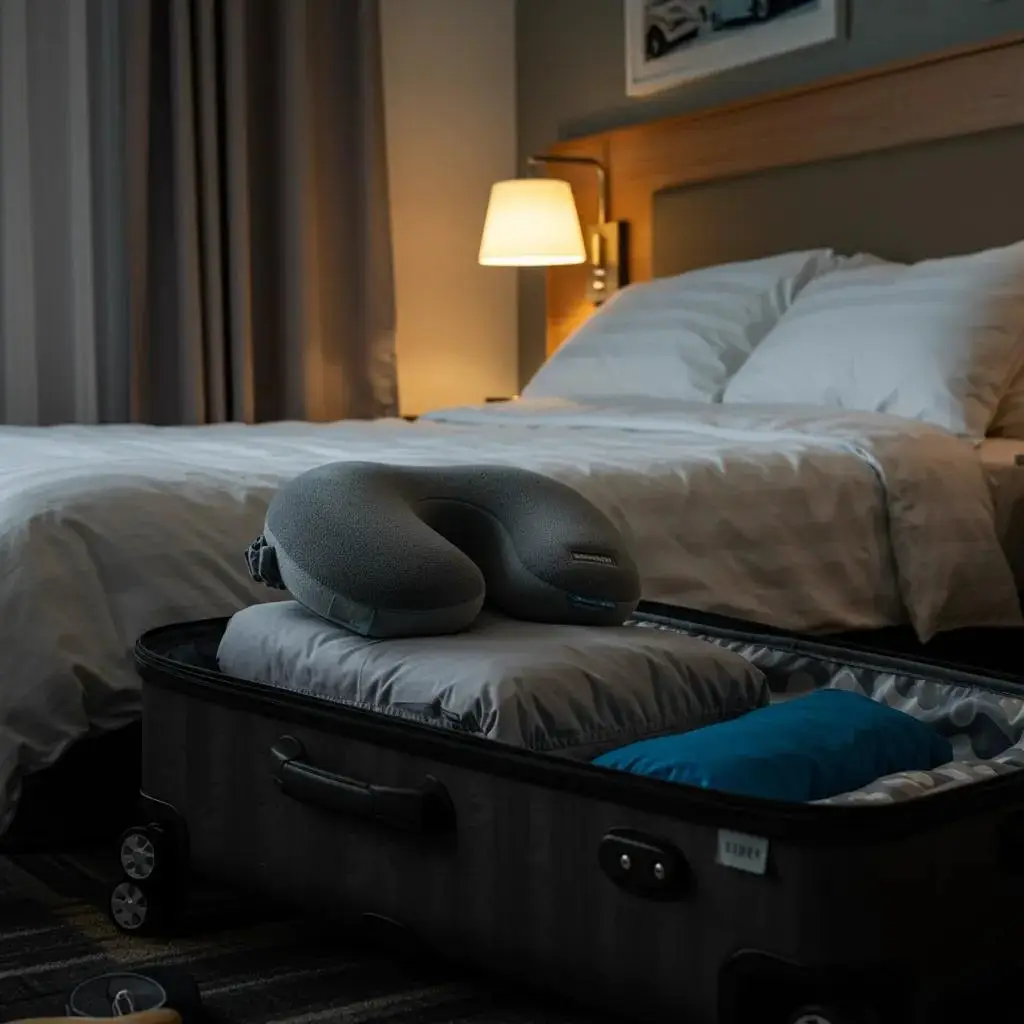
Travel introduces time-zone changes, irregular schedules, and unfamiliar sleeping surfaces, all of which can fragment sleep and increase fatigue; however, specific light, timing, and packing strategies minimize disruption. A short stepwise plan helps re-entrain the circadian clock when crossing time zones, while in-transit and in-room tactics make unfamiliar beds more tolerable. Below you’ll find a compact three-step jet-lag approach followed by a simple packing-and-setup checklist to improve sleep on the road.
This numbered plan provides a clear, actionable path to reduce jet lag and preserve sleep architecture, and next we’ll detail packing and in-room setup tactics to make unfamiliar beds feel more like home.
Effective jet-lag strategies combine schedule shifts, controlled light exposure, and selective short-term melatonin where appropriate, forming a practical three-part approach. Before travel, shift your sleep-wake times toward the destination to reduce the magnitude of phase change; upon arrival, seek morning light if you need to advance your clock or evening light to delay it. If considering melatonin for a week-long adjustment, use low doses (0.5–1 mg) at local bedtime and consult a healthcare provider if you have medical considerations. These combined tactics accelerate circadian realignment and help restore consolidated sleep more quickly than passive adjustment alone.
Sleeping well in a hotel or guest room relies on recreating familiar sensory cues and controlling light and sound proactively: bring a familiar pillow or pillowcase, use a compact white-noise app or machine, and deploy an eye mask and earplugs as backups. Unpack and make the room into a brief ritual: set thermostat to a cool, comfortable level, dim the lights, and perform a short relaxation routine before bed to signal transition to sleep. Packing a travel sleep kit with earplugs, an eye mask, a lightweight blanket, and a small travel pillow makes it easier to replicate home comfort regardless of accommodation. These in-room adjustments, combined with circadian strategies, reduce the sleep disruption that commonly accompanies holiday travel.
Below is an EAV-style comparison of travel tactics to help you choose which actions to prioritize based on trip length and time-zone change.
| Travel Tactic | When to Apply | Expected Benefit |
|---|---|---|
| Bright morning light | On arrival day (if advancing) | Shifts circadian phase earlier |
| Short melatonin (low dose) | Bedtime first 2–4 nights | Helps sleep onset at destination time |
| Familiar bedding items | Every night in unfamiliar places | Reduces tactile discomfort and speeds sleep onset |
These travel-focused recommendations make it easier to regain regular sleep patterns after flights and set up the final sections on hygiene and personalized local support.
Sleep hygiene refers to a set of behavioral and environmental practices that optimize sleep opportunity and quality, and it becomes especially critical during holiday disruptions when routines are unstable. Good sleep hygiene reduces the likelihood that transient stress or late-night activity evolves into chronic insomnia by preserving consistent cues—fixed wake times, predictable wind-down routines, and controlled substance timing—that signal the body when to sleep. Small, prioritized hygiene changes produce measurable improvements in sleep latency and continuity, and understanding the top practices makes it easier to implement them nightly.
A focused, prioritized sleep-hygiene checklist makes protective habits simple to implement even on busy days: maintain a fixed wake time, establish a 30–60 minute pre-sleep routine, limit alcohol and heavy meals before bed, and control bedroom light and noise. These practices work by strengthening circadian signals and reducing sources of arousal that fragment sleep; for example, a consistent wake time preserves the homeostatic sleep drive while a wind-down routine lowers evening cortisol. Applying these practices across days—rather than sporadically—yields cumulative benefits in sleep depth and daytime functioning. Start with one or two changes and add more once they become habitual to avoid overwhelm.
Reducing evening screen time prevents blue-light exposure that suppresses melatonin and delays sleep onset, thereby improving the timing and quality of restorative sleep. A recommended screen-free window of 60–90 minutes before bedtime allows endogenous melatonin to rise naturally; if screens are unavoidable, enable night-mode settings or use blue-light filtering glasses to reduce impact. Instead of screens, choose low-stimulation activities like reading a physical book, light stretching, or a brief mindfulness exercise to support wind-down. These simple tech adjustments and behavior swaps help maintain melatonin rhythms and produce earlier, more consolidated sleep.
Midwest Mattress Company is a local resource serving Effingham and Mattoon, Illinois, focused on sleep wellness and comfort solutions that support restorative rest during stressful seasons like the holidays. Their approach pairs local expertise in sleep wellness with product guidance on mattresses and bedding materials that address pressure relief, cooling, and personalized comfort needs. For residents juggling holiday stress, combining behavioral strategies—consistent wake times, relaxation routines, temperature control—with mattress and bedding choices that improve pressure distribution and thermoregulation can reduce nocturnal awakenings and pain-related arousal. Midwest Mattress Company’s local presence in Effingham and Mattoon provides a practical avenue for in-person consultation when a sleep-environment upgrade could amplify behavioral improvements.
Midwest Mattress Company offers mattress and bedding options designed to complement sleep-hygiene changes by enhancing comfort, pressure relief, and temperature control that are important during stressful periods. Suitable comfort solutions include memory foam and hybrid constructions for pressure relief and contouring, and breathable bedding materials that assist thermoregulation to keep nights cool and uninterrupted. These product types can reduce micro-arousals related to discomfort or overheating, supporting deeper slow-wave sleep as you combine them with consistent routines. Local guidance at their Effingham and Mattoon locations can help match specific material properties to your personal sleep patterns and seasonal needs.
Personalized, in-person assessments help identify whether sleep complaints stem primarily from behavioral factors, environmental elements, or mattress-related discomfort, and they guide targeted solutions that are more effective than generic advice alone. A local expert can evaluate how your usual sleep position, body temperature, and pain points interact with mattress support and bedding materials to recommend adjustments that complement your new sleep routines. By combining behavioral strategies with professional mattress fitting and bedding selection, residents can achieve faster and more sustainable improvements in sleep during the holidays. Scheduling a consultation at a local store can be a practical next step when sleep problems persist despite routine changes.
This FAQ section answers common, practical questions about holiday sleep disruption with concise steps and a clear local step to help residents in Effingham and Mattoon find both behavioral remedies and in-person support. Short answers aim for clarity and featured-snippet style usefulness, and a local-resource table follows to direct readers to the right next step if they want personalized help.
| Question | Short Answer | Local Resource |
|---|---|---|
| How do you deal with holiday stress and sleep problems? | Prioritize a fixed wake time, use a 5–10 minute evening relaxation, limit alcohol late at night. | Visit Midwest Mattress Company in Effingham or Mattoon for mattress/bedding guidance. |
| Why is holiday sleep often poorer than usual? | Routine disruption, elevated stress hormones, late meals, and travel combine to fragment sleep stages. | Local sleep-friendly bedding can help; consult Midwest Mattress Company. |
| What are the best ways to sleep better during the holidays? | Keep wake time, use short wind-down routines, control bedroom environment, and limit late alcohol. | In-store fittings at Effingham and Mattoon can pair habits with comfort solutions. |
These concise answers provide immediate actions and a clear local step if mattress or bedding adjustments may support recovery from disrupted sleep, and the next H3s unpack each question with short, focused guidance.
When stress spikes, prioritize immediate sleep-protective behaviors: perform a five-minute breathing routine, dim lights, and avoid stimulating conversations or screens at least an hour before bed. Use short naps (20–30 minutes) the next day only if needed, and maintain your regular wake time to prevent schedule drift. If sleep problems persist beyond a couple of weeks despite these steps, consider seeking professional evaluation or in-store advice for potential mattress-related discomfort that may be amplifying awakenings. These immediate actions reduce physiological arousal and pave the way for longer-term recovery.
Holiday sleep commonly worsens due to a mix of increased psychological stress, schedule irregularity, travel, and lifestyle factors such as later meals, alcohol, and more screen exposure. These contributors act together to elevate evening cortisol, suppress timely melatonin release, and fragment slow-wave sleep, producing daytime fatigue and reduced resilience. Recognizing these interacting causes clarifies why combined behavioral and environmental interventions are more effective than single changes alone. Addressing each contributor—stress, schedule, environment, and habits—creates a robust plan to restore sleep quality.
The most effective holiday sleep toolbox includes a fixed wake time, a consistent pre-sleep routine, deliberate light exposure management, environmental optimization (cool, dark, quiet), and limiting alcohol and heavy late meals. Prioritize these seven actions for quick improvement: anchor wake time, short relaxation, morning light, evening dimming, cool bedroom, moderate exercise earlier in the day, and avoid heavy late food or alcohol. Combining several of these strategies usually produces visible benefits within days and sets the stage for deeper recovery over subsequent weeks.
To manage holiday anxiety at night, use cognitive techniques such as a brief “worry dump” journal to offload concerns 20–30 minutes before your wind-down, then follow with a brief mindfulness or breathing exercise to clear cognitive arousal. Cognitive reframing—challenging catastrophic thoughts and prioritizing tasks—reduces rumination and lowers bedtime arousal. If anxiety persists and impairs sleep for several weeks, consult a mental health professional; for practical, immediate relief, pairing journaling and relaxation with environmental controls enhances bedtime calm and sleep onset.
Preventing burnout and insomnia across weeks requires setting boundaries, pacing activities, and treating sleep as a non-negotiable self-care priority—this includes scheduling rest, delegating tasks, and protecting consistent sleep cues. Implement a two-week prevention plan: maintain wake times, schedule evening relaxation, limit late-night obligations on several nights per week, and keep exercise consistent to support resilience. Watch for red flags—persistent daytime sleepiness, mood changes, or concentration problems—and seek professional help if symptoms escalate despite these measures. Proactive pacing and routine preservation reduce the risk that short-term stress becomes chronic insomnia.
Creating an ideal bedroom environment means optimizing temperature, darkness, noise control, and bedding materials so the body can enter and maintain restorative sleep with minimal micro-arousals. Concrete adjustments—setting a cool thermostat range, installing blackout curtains, using white-noise masking, and choosing bedding that balances warmth and breathability—produce measurable improvements in sleep continuity. Below we break down temperature and lighting specifics, bedding and noise impacts, and why mattress selection matters; each subsection gives targeted actions you can implement tonight to improve sleep during the holidays.
The recommended bedroom temperature for sleep is 60–67°F (15–19°C); cooler environments support the physiological drop in core temperature that facilitates slow-wave sleep and reduces nighttime awakenings. In winter months use layered bedding instead of overheating the room, and set heating schedules to avoid high overnight temperatures. For lighting, dim lights in the 60–90 minutes before bed and use blackout curtains to maintain darkness during sleep, while exposing yourself to bright morning light shortly after waking to strengthen circadian cues. Seasonal HVAC adjustments and simple dimming strategies improve melatonin timing and sleep depth.
Noise and bedding choices influence sleep by affecting micro-arousal frequency and thermoregulation—both key determinants of sleep continuity and depth. Continuous low-level white noise or a fan can mask intermittent sounds that would otherwise trigger awakenings, and earplugs are an effective low-tech option for sudden noises. Bedding materials matter for thermoregulation: breathable natural fibers or moisture-wicking, cooling sheets reduce night sweats whereas heavier, insulating fabrics retain warmth; choose bedding to match your personal thermal tendencies. Pillow fill and mattress comfort layers also play roles in positional support and spinal alignment, reducing pain-related sleep fragmentation.
A well-chosen mattress supports spinal alignment and distributes pressure, which reduces nociceptive arousals and associated sleep fragmentation—this leads to longer stretches of restorative slow-wave sleep and better daytime recovery. Pressure-relieving comfort layers (such as memory foam or supportive hybrid constructions) can decrease discomfort that wakes you during the night, while breathable constructions aid thermoregulation that prevents overheating and micro-awakenings. Trialing mattresses and seeking expert fitting helps identify the balance of support and contouring your body needs, and pairing a suitable mattress with the behavioral strategies described earlier yields the best chance for sustained sleep improvement this holiday season.
To manage sleep disruptions during holiday travel, start by adjusting your sleep schedule a few days before departure, shifting your bedtime and wake time closer to your destination’s time zone. Upon arrival, seek bright morning light if you need to advance your clock or evening light to delay it. Additionally, consider using a low-dose melatonin supplement for a few nights to help with sleep onset. Packing familiar items like your pillow or a favorite blanket can also create a more comfortable sleeping environment in unfamiliar places.
Quick relaxation techniques can significantly enhance sleep quality during the holidays. Simple practices like the 4-7-8 breathing technique—inhale for 4 seconds, hold for 7, and exhale for 8—can reduce anxiety and promote calmness. Progressive muscle relaxation, where you tense and then relax different muscle groups, is also effective. Incorporating a brief mindfulness meditation focusing on your breath can help clear your mind before bed. Aim to integrate these techniques into your nightly routine to signal your body that it’s time to wind down.
Alcohol consumption can significantly disrupt sleep quality, especially during the holiday season. While it may initially help you fall asleep faster, alcohol fragments sleep later in the night, leading to increased awakenings and reduced slow-wave sleep. It can also exacerbate issues like snoring and sleep apnea. To minimize these effects, limit alcohol intake in the hours leading up to bedtime and consider opting for lighter beverages earlier in the evening. This approach can help maintain a more restful sleep cycle during festive gatherings.
If you experience insomnia during the holidays, start by evaluating your sleep hygiene practices. Ensure you maintain a consistent wake time, limit screen exposure before bed, and create a calming bedtime routine. If insomnia persists, consider journaling your thoughts before bed to offload worries. If these strategies don’t help, it may be beneficial to consult a healthcare professional for further evaluation and support. Addressing underlying stressors and making targeted lifestyle changes can often lead to significant improvements in sleep quality.
Creating a sleep-friendly environment during holiday gatherings involves managing light, noise, and temperature. Use blackout curtains to block out excess light and consider using a white noise machine or earplugs to mask disruptive sounds. Keep the bedroom cool, ideally between 60-67°F (15-19°C), to promote better sleep. If possible, designate a quiet space for relaxation away from the festivities where you can unwind. These adjustments can help you maintain a restful atmosphere even amidst the holiday hustle and bustle.
Maintaining a consistent sleep schedule during the holidays helps regulate your circadian rhythm, making it easier to fall asleep and wake up feeling refreshed. A fixed wake time anchors your body’s internal clock, reducing the likelihood of sleep disruptions caused by late nights and irregular schedules. This consistency can also help mitigate the effects of holiday stress and fatigue, leading to improved mood and cognitive function. Prioritizing a regular sleep routine can enhance your overall well-being during this busy season.