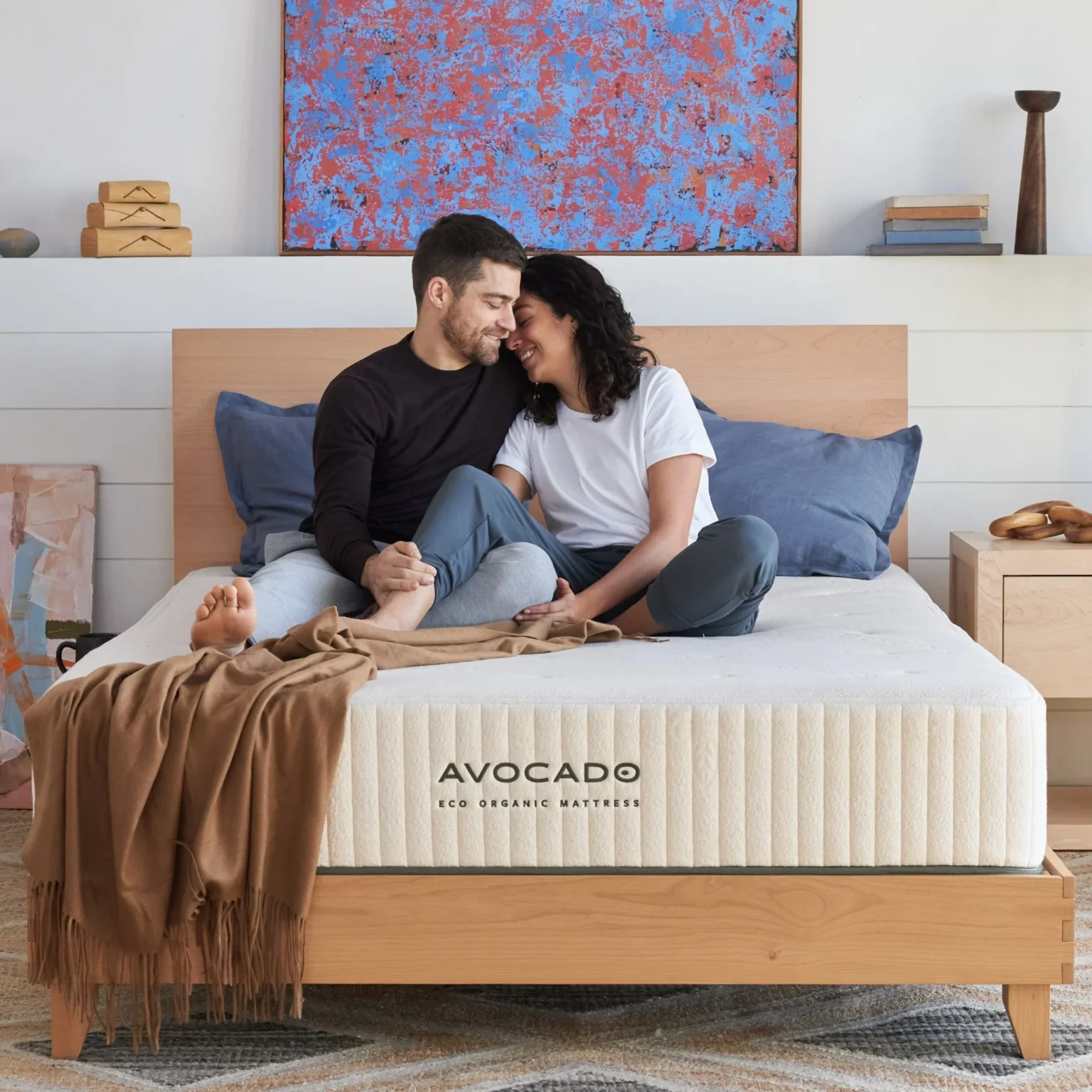
The Importance of a Good Night’s Sleep
Getting enough sleep is not a luxury—it’s a fundamental part of a healthy lifestyle. From boosting your immune system to improving your mood and cognitive function, the benefits of quality rest are countless. The right mattress plays a crucial role in making sure you get the deep, restorative sleep you need.
Why Your Mattress Matters More Than You Think
Your mattress is the foundation of your sleep environment. An unsupportive or uncomfortable mattress can lead to:
- Chronic back and neck pain.
- Tossing and turning, leading to fragmented sleep.
- Allergy symptoms if the mattress has accumulated dust mites or mold.
Investing in a good mattress is an investment in your health.
Navigating the Mattress Market
With so many options available, finding the perfect mattress can feel overwhelming. Let’s break down the different types and what they offer.
1. The Different Types of Mattresses
Each mattress type has unique characteristics that suit different preferences and sleeping styles.
- Innerspring: The traditional choice, known for its firm support and bouncy feel.
- Memory Foam: Conforms to your body, offering excellent pressure relief and motion isolation.
- Latex: A natural, eco-friendly option that is both responsive and supportive.
- Hybrid: Combines the support of innerspring coils with the comfort layers of foam or latex.
- Airbed: Features adjustable air chambers, allowing you to customize the firmness to your exact liking.
2. Key Factors to Consider
When you’re ready to start shopping, keep these important factors in mind to help guide your decision.
- Firmness Level: This is a personal preference. Side sleepers often prefer a softer mattress, while stomach and back sleepers typically need something firmer for proper spinal alignment.
- Sleeping Position: Your preferred position is one of the biggest determinants of what mattress is right for you.
- Body Type: Your weight and build can influence how a mattress feels and how much support you need.
- Trial Period and Warranty: A generous trial period lets you test the mattress at home. A strong warranty protects your investment.
How to Shop for Your Mattress
The process of buying a new mattress has changed. While you can still visit a brick-and-mortar store, many people are now buying their mattresses online.
Shopping In-Store vs. Online
Pros and Cons of Shopping In-Store
- Pros: You can lie on the mattress and feel it for yourself. You get immediate, in-person assistance from a sales associate.
- Cons: High pressure sales tactics, and you can only judge comfort from a few minutes on the bed.
Pros and Cons of Shopping Online
- Pros: Often more affordable with more options. Generous trial periods (often 100 nights or more) allow you to test the mattress properly.
- Cons: You can’t physically touch the product before buying, and returns can sometimes be a hassle.
Questions to Ask Before You Buy
What to ask the salesperson
On firmness and materials
- “What mattress do you recommend for a side sleeper who deals with lower back pain?”
- “Can you explain the difference in feel between the memory foam and latex models?”
On policies and logistics
- “What is your return policy and trial period?”
- “Do you offer old mattress removal?”
- “Is there a cost for shipping or a restocking fee for returns?”
What to consider from reviews
Look for feedback on these topics
- Durability: How well has the mattress held up over time for other users?
- Customer Service: Did the company handle issues or returns efficiently?
- Motion Isolation: Is it a good choice for couples?
Example of a helpful review
- “We’ve had this mattress for two years, and it’s still as firm as the day we got it. No sagging at all! Plus, my partner’s tossing and turning doesn’t wake me up, which is a lifesaver.”
Ready to Find Your Dream Mattress?
Armed with this information, you’re ready to make a smart, informed decision. Check out reputable online mattress retailers like Casper, Saatva, or Nectar to start your search. Remember, a great day starts with a great night’s sleep.
So, how do you navigate the sometimes overwhelming world of mattresses to find the one that’s right for you? Let’s break it down.
Understanding the Basics: The Different Types of Mattresses
The first step is to understand the different materials and construction types available. Each offers a unique feel and set of benefits.
- Innerspring: The classic. These mattresses use a system of steel coils to provide support. They’re known for their bouncy feel and good airflow, which helps keep you cool. However, they can sometimes transfer motion more easily than other types.
- Memory Foam: Known for its body-conforming properties, memory foam contours to your shape, relieving pressure points and providing excellent support. This can be a godsend for those with joint pain. The downside? Traditional memory foam can sometimes retain heat, though newer models often include cooling gel or other technologies to combat this.
- Latex: Made from the sap of rubber trees, latex mattresses are a natural and eco-friendly option. They offer a responsive, buoyant feel and are naturally hypoallergenic and resistant to dust mites. They’re a great choice for those who want the contouring of memory foam but with a bit more bounce and better airflow.
- Hybrid: Can’t decide between an innerspring and a memory foam mattress? A hybrid gives you the best of both worlds. They combine an innerspring coil system for support and bounce with layers of foam (memory foam, latex, or others) on top for pressure relief and comfort.
- Airbed: These mattresses use adjustable air chambers to provide customizable firmness. They are an excellent option for couples with different firmness preferences, as each side can be adjusted independently.
The Golden Rules of Mattress Shopping
Once you have a handle on the types, here are a few key factors to consider when you’re ready to buy:
- Firmness is Personal: The “best” firmness is a myth. What’s perfect for one person might be a nightmare for another. Your ideal firmness depends on your sleeping position and body type.
- Side Sleepers: Generally need a softer mattress to allow their shoulders and hips to sink in, keeping their spine aligned.
- Back Sleepers: Do well with a medium-firm mattress that provides support for the lumbar region.
- Stomach Sleepers: Often require a firmer surface to prevent their hips from sinking too far down, which can strain the lower back.
- Trial Period is Everything: Never underestimate the importance of a generous trial period. While a mattress might feel great in the store for a few minutes, you need to sleep on it for a few weeks to truly know if it’s the right fit for you. Most reputable online and brick-and-mortar stores offer a 90-day to a full-year trial period.
- Consider Your Budget: Mattresses can range from a few hundred dollars to several thousand. While a higher price often correlates with better quality materials and durability, it’s possible to find a great mattress at a mid-range price point. Set a budget, but remember to view it as an investment in your health and well-being.
- Look Beyond the Hype: Don’t get swayed by a fancy name or marketing buzzwords. Focus on the core components and what will truly benefit your unique needs. Read reviews, but take them with a grain of salt and focus on patterns in feedback rather than one-off experiences.
The Bottom Line
Your mattress is one of the most important purchases you’ll make for your home and your health. Taking the time to research, understand your personal needs, and test out different options will pay off with years of comfortable, restorative sleep. So, go ahead and make that investment in a better night’s rest—your body and mind will thank you for it.